The Hague Asked Nicely
A conference about restraint, held by governments already preparing their exceptions.
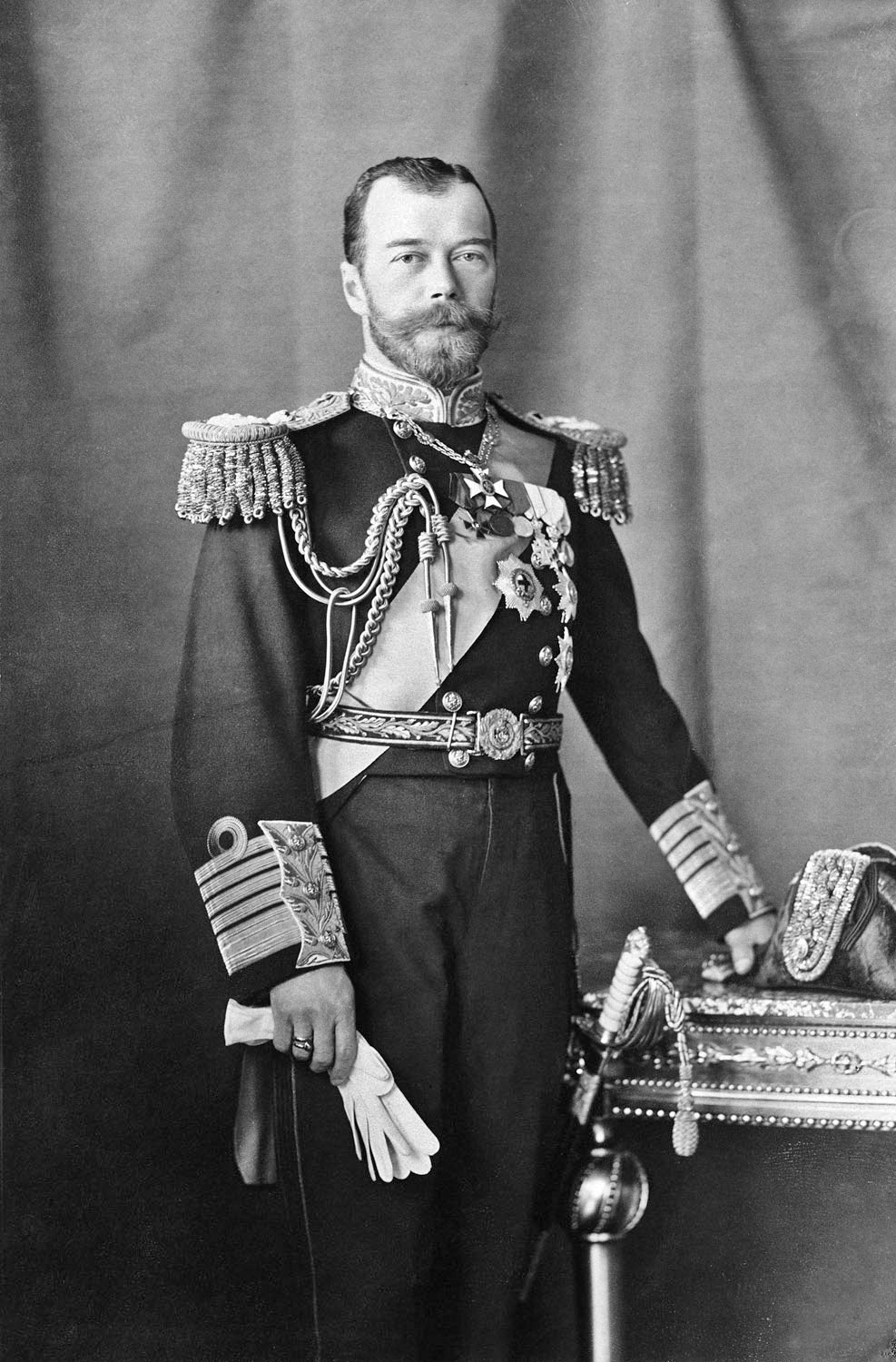
In the summer of 1899, Tsar Nicholas II invited the great powers of Europe to a palace outside The Hague to talk about something nobody expected from a Russian autocrat: stopping. Specifically, freezing the arms race that was quietly bankrupting every treasury on the continent.
The press ran with it. Papers across Europe praised the young Tsar for his apparent conversion to pacifism. The actual calculation behind the invitation was a lot less noble. Russia's industry couldn't keep up with Germany's steel output or Austria-Hungary's new artillery programs, and the imperial treasury was buckling under the strain of trying. Nicholas didn't object to war on principle so much as he couldn't afford to keep upgrading his army every few years, and he was hoping everyone else might agree to stop upgrading too.
Twenty-six nations sent delegations to the Huis ten Bosch that summer: diplomats, generals, international lawyers, all of them drinking tea and attending state dinners for weeks while talking around the one subject nobody wanted to touch directly.
The actual proposal, a cap on troop levels and military budgets, went nowhere. Germany's military representative, Colonel Gross von Schwarzhoff, dismissed it outright. Military spending, he argued, was patriotic and good for the economy, not a burden anyone should be capping.
So the delegates settled for something smaller. If they couldn't agree to stop building bigger armies, they could at least write some rules about how those armies were allowed to fight. They banned poison gas. They outlawed expanding bullets. They put a temporary five-year ban on dropping explosives from balloons.
On paper this looked like restraint. In practice it mostly meant banning the weapons nobody had figured out how to use well yet, while the actual buildup, the battleships, the heavy artillery, the industrial base behind all of it, carried on untouched. The conference reconvened in 1907 to refine the same rules, and the same evasion continued: plenty of attention on the edges of the problem, none on the center of it.
Seven years after that second conference, the diplomacy came apart in the mud outside Liège. When the German army invaded Belgium in August 1914, it brought Big Bertha, 420mm siege howitzers that made a joke of everything the Hague conferences had produced. The forts at Liège had been built to withstand the artillery of the 1880s. They lasted a few days.
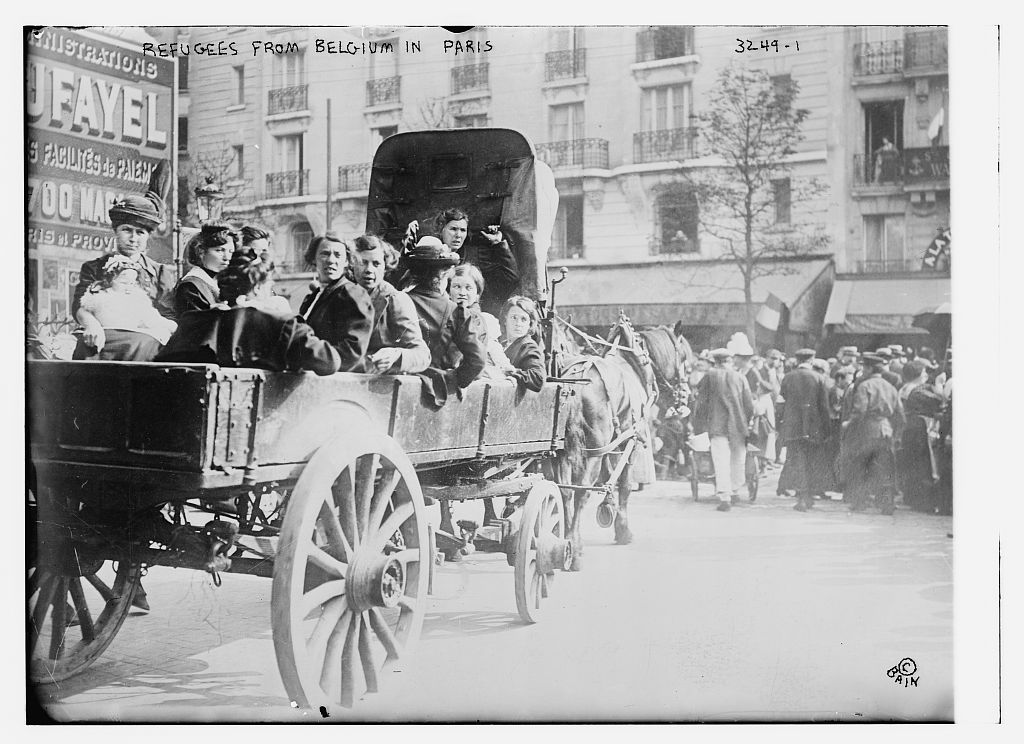

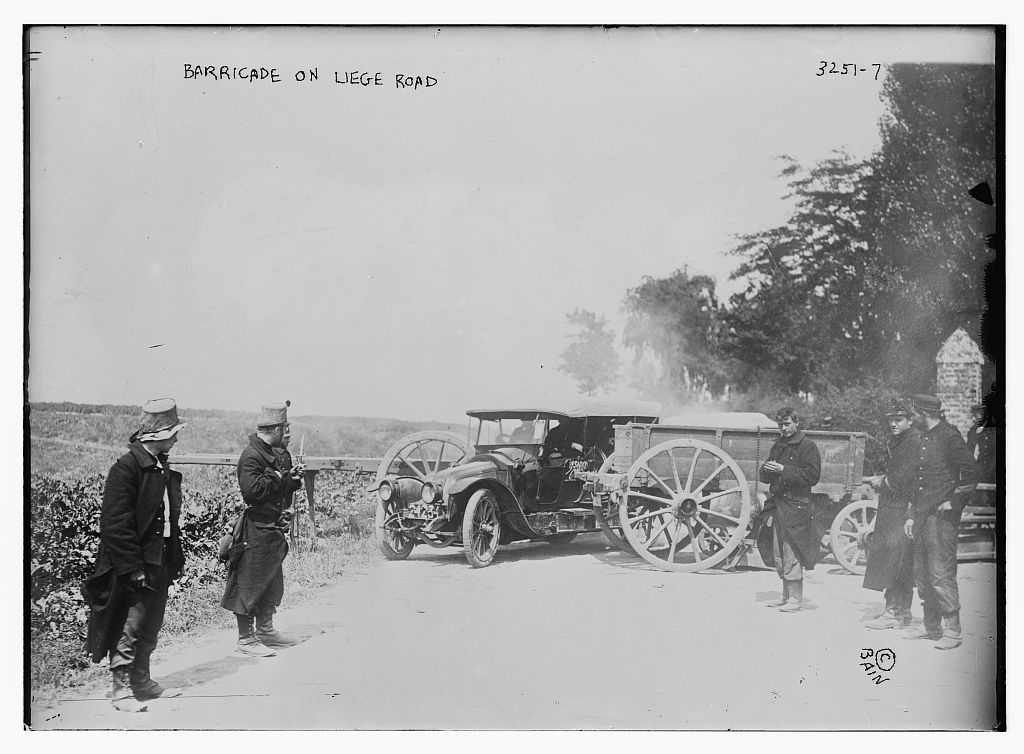
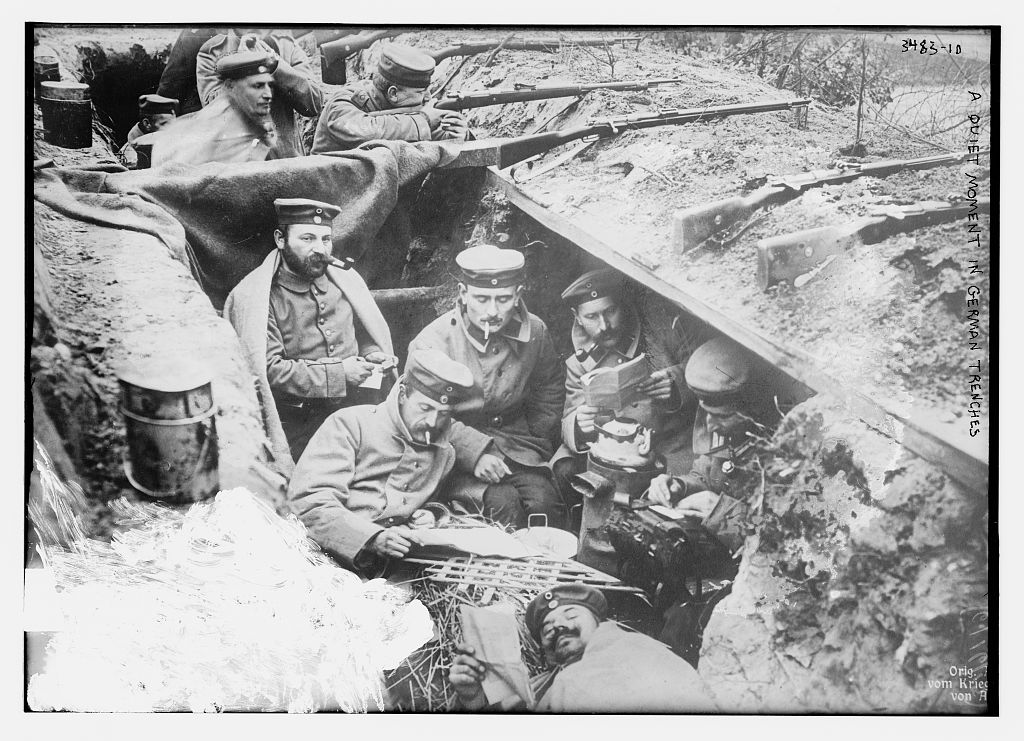
1899 and 1907 worked exactly as designed. The conferences gave every government a way to call itself responsible while continuing to prepare for war. They left behind useful paperwork too, something to point to whenever a minister needed to explain that his own new guns were merely defensive.
It's easy to look back at those delegates and feel a kind of pity, like we'd have obviously seen the trap they were walking into. But the same dynamics are still running today, just with different nouns attached. Swap “maxim guns” for autonomous weapons or artificial intelligence and the logic barely changes: if we don't build it, someone else will; our research is defensive; the guardrails can come later, once we've already won.
The Hague conferences are proof that we are very good at negotiating around the edges of a disaster and pretty bad at stopping the thing itself. Do you think we are any better at that now than Nicholas II's diplomats were in 1899?